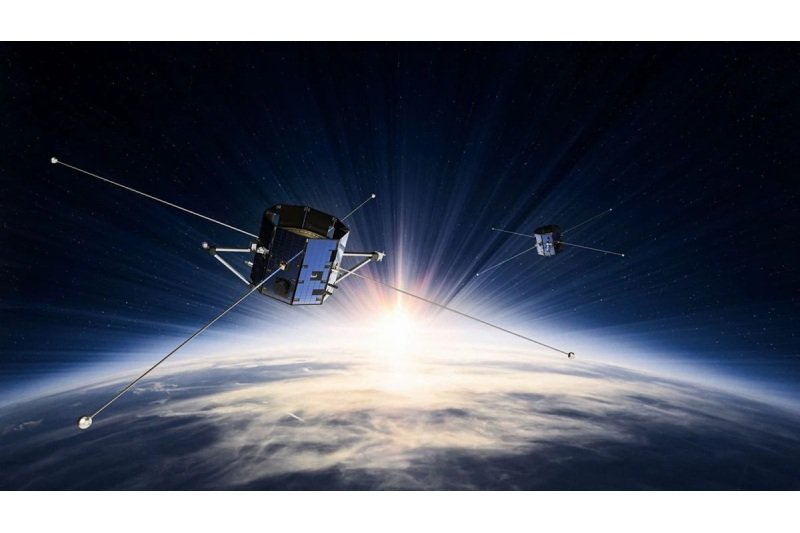
TRACERS mission’s Space Vehicle-1 (SV1) has been contacted again, and the NASA mission operations team is taking recovery measures to get the spacecraft back in service. In order to identify the source of the communication failure, engineers are examining its systems. Once the team has identified any problems, they will start trying to restore science operations to the internet. Energy exchange in the Earth’s magnetosphere is studied by the Tandem Reconnection and Cusp Electrodynamics Reconnaissance Satellites (TRACERS) program.
According to the report, the two satellites have worked together to monitor how charged particles and magnetic fields interact in the upper atmosphere. This resulted in gaps in important information when SV1 lost communication with the partnership. Therefore, SV1 recovery is essential to the mission’s scientific goals.
Steps for Recovery and Ongoing Efforts
The vital systems on board SV1, including navigation, communications, and power, are currently being thoroughly examined by mission specialists. In order to guarantee that data gathering can go according to schedule, they are also doing checkouts of the onboard instruments. Remedial actions will be taken if there are inconsistencies. Stabilizing the contact to prevent outages is the top goal.
Although communication has been reestablished, the vessel is still not operable. Checkpoints including downloading telemetry, verifying instrument calibration, and examining subsystem responses have still to be met. Only once this series of events has taken place can TRACERS resume full science operations.
Topics #NASA #TRACERS Spacecraft SV1